Best gardeners for Old Coulsdon village green projects
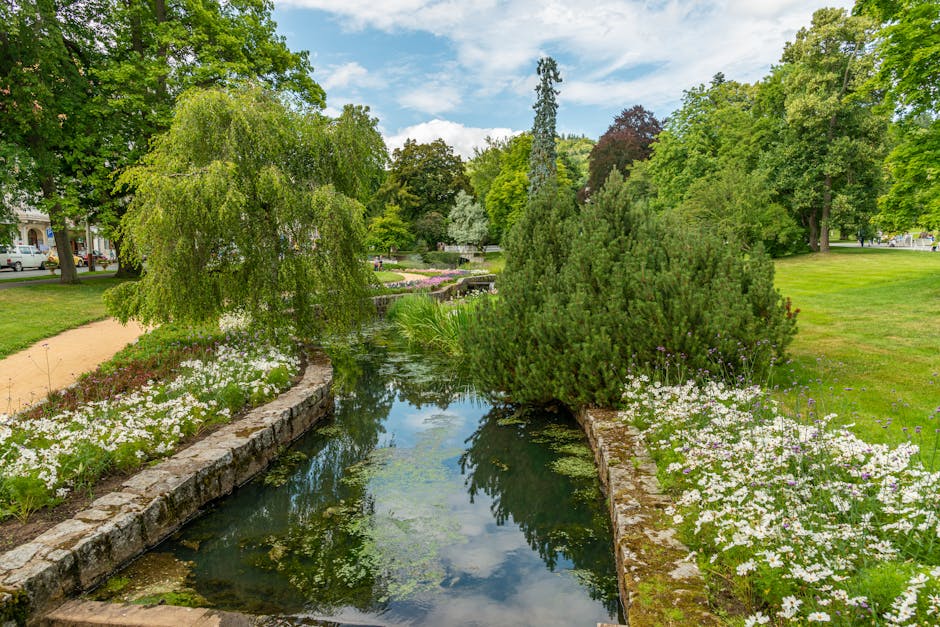
Old Coulsdon has a certain village-green feel that's easy to love and surprisingly hard to keep looking effortless. One week the grass is neat, the borders are calm, and the paths feel welcoming; the next, weeds creep in, edges blur, and the whole space starts asking for proper care. If you are looking for the best gardeners for Old Coulsdon village green projects, you probably want more than mowing and a quick tidy-up. You want a team that understands community spaces, local weather, safe access, and the kind of finish that makes people stop and say, "Yes, this feels looked after."
This guide walks through what village green projects actually need, how to choose the right gardeners, what good process looks like, and which services tend to matter most. It also covers practical decision points, common mistakes, and a simple checklist so you can plan with confidence rather than guesswork. Truth be told, the difference between an average garden contractor and a genuinely useful one shows up very quickly once the work begins.
Why this matters for Old Coulsdon village green spaces
A village green is not the same as a private back garden. It is visible, shared, and often quietly symbolic. When it looks good, people feel proud of the area. When it slips, everyone notices. That is why the best gardeners for Old Coulsdon village green projects need to think beyond the obvious tasks and work with the whole public-facing space in mind.
In practice, that means shaping planting so it feels inviting without becoming fussy, keeping sightlines clear, managing grass and edges so foot traffic doesn't quickly turn into wear and tear, and choosing maintenance methods that suit a shared environment. A good village green should be robust enough for regular use yet soft enough to feel natural. Easy said. Not always easy done.
There is also a local context to consider. Old Coulsdon tends to experience the usual UK mix of wet spells, dry runs, shade pockets, and sudden growth bursts. That combination can turn a tidy green into a patchy one quite fast if no one is staying ahead of it. Seasonal maintenance, weed control, hedge shaping, and weatherproofing all matter more than many people expect. If you want a greener result that lasts, you need gardeners who plan for the year, not just the day.
Expert summary: the best village green work is never just about appearance. It is about durability, safe access, year-round structure, and maintenance that makes the space easier to live with, not harder.
How the project process works
Most successful village green projects follow a clear pattern: assess, plan, prepare, improve, and maintain. The exact sequence changes a little depending on the site, but the logic stays the same. If the gardeners skip the early groundwork, the later stages usually cost more and deliver less. That's the honest version.
1. Site assessment
A proper assessment looks at soil condition, drainage, grass health, borders, shrubs, hedge lines, access points, and any obvious safety concerns. On a shared green, it also matters how people move through the space. Are there worn desire lines? Is mowing access sensible? Are there shaded zones where moss keeps winning? Good gardeners spot the pattern before they touch the plants.
2. Practical plan and priorities
Not everything can be fixed at once, so the best teams separate essentials from nice-to-haves. For example, a struggling lawn edge may need edging and overseeding now, while decorative planting can wait until the structure is stable. This kind of prioritisation keeps budgets realistic and avoids the classic "we did a lot, but the place still looks tired" problem.
3. Ground preparation and clean-up
Preparation often involves clearing debris, improving soil structure, tackling compacted spots, and reducing weeds before any meaningful planting begins. If the site has been neglected, a careful reset can make a huge difference. Our guide to transforming neglected gardens fits neatly here because the principle is the same: clean foundations make everything else easier.
4. Installation or restoration
This stage may include turf repair, border work, shrub pruning, hedge trimming, planting, mulch application, or structural features such as edging and fencing. Depending on the brief, it may also involve landscaping improvements or paths that make the green more usable. Sometimes the work is subtle; sometimes it is a full refresh. Both can be right.
5. Ongoing maintenance
A village green project is not finished when the last plant goes in. It is finished when the space can stay attractive with sensible upkeep. That might mean a maintenance schedule, seasonal visits, lawn care, and periodic pruning. Regular follow-up is the boring part, maybe, but it is also the part that protects the investment.
Key benefits and practical advantages
Choosing the right gardeners for a village green project gives you more than a tidy finish. It changes how the space functions, how people treat it, and how much work it creates later. The best results tend to feel calm, durable, and quietly well judged.
- Better first impressions: a green that looks cared for makes the whole area feel more welcoming.
- Improved longevity: proper soil work, plant choice, and maintenance reduce the need for constant repairs.
- Safer, clearer spaces: tidy edges, managed shrubs, and sensible pruning help visibility and access.
- More efficient upkeep: good planning means less reactive work and fewer repeated problems.
- Seasonal resilience: weather-aware gardening helps the site cope with wet winters, dry spells, and sudden growth.
- Community value: a pleasant shared green can make nearby homes and pathways feel more cared for, even before anyone says a word.
One quiet but important benefit is consistency. A space maintained by gardeners who understand the site tends to stay visually coherent. The grass, hedges, planting, and paths all work together instead of looking like separate jobs that happened to be done at different times. That detail matters more than people think.
If the project includes privacy planting or boundary shaping, then a smart hedge plan can improve structure without making the green feel closed in. Our article on fast-growing hedges for privacy is useful if you are weighing what kinds of screening work in a shared setting.
Who this is for and when it makes sense
This kind of project makes sense for parish groups, residents' associations, local stewardship teams, landlords with shared outdoor frontage, and anyone responsible for a communal or semi-public green space. It is also a good fit if a village green has become a little patchy, cluttered, or underused and needs a practical reset rather than a decorative overhaul.
It may also be the right time if you are seeing any of these signs:
- grass thinning near paths or seating areas
- repeated weed problems around the edges
- hedges or shrubs blocking sightlines
- poor drainage after wet weather
- messy boundaries that make the site feel neglected
- plants failing because the chosen species simply do not suit the site
Sometimes the need is obvious. Other times it creeps up slowly. A green can still look "fine" from a distance while becoming expensive to repair behind the scenes. That is usually when a fresh professional eye pays off.
If your space also needs day-to-day upkeep, pairing a one-off improvement project with ongoing garden maintenance often gives the best long-term value. It keeps the work from drifting into crisis mode.
Step-by-step guidance
If you are organising a village green project in Old Coulsdon, this is the simplest way to approach it without getting lost in the details.
- Walk the site at a calm pace. Look for worn turf, overgrowth, uneven edges, poor drainage, and places where people naturally gather or cut across.
- Write down the real priorities. Separate safety issues, structural fixes, and appearance improvements. Do not put everything on the same level.
- Choose gardeners with broad capability. A team that can handle lawn care, hedge trimming, landscaping, and tree work is often better than one that only covers a single task.
- Ask how they manage seasonal change. Village greens in the UK need a plan for spring growth, summer stress, autumn leaf fall, and winter damage. The weather does not really care about your schedule.
- Check how they handle waste and clean-up. Shared spaces should be left tidy, with green waste removed or repurposed appropriately.
- Agree maintenance intervals. A well-kept green is usually the result of repeated light work, not occasional heroic effort.
- Review the first visit and refine the brief. Real-world conditions may reveal extra issues. That is normal. Good gardeners will adjust rather than pretend every site behaves exactly as expected.
A small but useful tip: take photographs before work starts and again after the first phase. It helps everyone see what changed and what still needs attention. Not glamorous, but very handy when you are managing a shared project and people have different memories of what was agreed.
Expert tips for better results
Experienced gardeners tend to think in layers. They do not start with flowers if the lawn is struggling, and they do not trim hedges into neatness if the roots are unhappy. That order of thinking is what separates a polished result from a short-lived one.
Use plants that work with the site, not against it
For shaded corners, choose plants that can cope with lower light. For exposed spots, use tougher planting with a bit more resilience. A green that battles poor plant choices every year becomes a maintenance trap. If you are considering texture and ground coverage, this piece on ground cover plants offers a useful starting point.
Keep the structure simple
A shared green usually benefits from clear lines, open access, and a few strong features rather than too many decorative moves. One or two well-placed borders or shrubs can be enough. Overdesign in communal spaces often creates more trimming and more conflict than beauty. A bit blunt, but true.
Respect the seasons
The work schedule should shift through the year. Spring can mean growth management, summer may require watering and grass care, autumn needs leaf and border control, and winter often calls for protection. For a deeper seasonal angle, the article on weatherproofing garden spaces is worth a look, as is the guide on protecting plants in harsh winter weather.
Think like a user, not just a gardener
Who uses the space? Dog walkers? Families? Older residents? People passing through on foot? The answers shape what kind of planting, surfaces, and clearances make sense. For example, a path edge that looks lovely on paper may be a nuisance if it narrows a route people use daily. Real use beats theory every time.
Build in maintenance from day one
It is easier to maintain a green that was designed for maintenance. That means accessible edges, manageable shrubs, sensible mowing lines, and low-drama planting choices. If your brief includes shared seating or a place for visitors to linger, our piece on outdoor seating in garden design may help you think through comfort and layout.
Common mistakes to avoid
Village green projects often go wrong for fairly ordinary reasons. None of them are dramatic on their own, but together they can waste time and money.
- Starting with appearance instead of condition: if the soil, drainage, or wear pattern is ignored, the space will regress fast.
- Choosing plants for looks only: pretty but unsuitable planting becomes a maintenance headache.
- Overcrowding the design: shared spaces need breathing room.
- Ignoring boundaries and access: weak edges and unclear routes lead to damage.
- Skipping aftercare: the first tidy-up is not the finish line.
- Underestimating weather impact: UK gardens are always having to negotiate with the weather. Sometimes politely, sometimes not.
- Not agreeing the brief properly: small misunderstandings can create very visible disappointments later.
There is also a subtle mistake that crops up a lot: trying to do too much in one visit. To be fair, it feels efficient. But if the site needs phased work, pushing everything into the first round can leave corners half-done and budgets stretched. The better route is often steadier and less flashy.
Tools, resources and recommendations
Professional gardeners rely on more than experience. The right tools make the work cleaner, safer, and more consistent. For village green projects, the practical kit usually includes mowing equipment, edging tools, hedge trimmers, pruning tools, soil improvers, wheelbarrows, rakes, and safety gear. Simple stuff, but without it the job starts to wobble.
The article on essential gardening tools is a useful reminder of how much a good toolkit matters. For longer-term improvement, it can also help to think about these areas:
- Lawn care: useful where the green depends on strong grass coverage and neat presentation.
- Hedge trimming: important for maintaining boundaries and keeping the site open and usable.
- Landscaping: helpful when the layout needs reshaping rather than simple maintenance.
- Tree surgery: relevant if trees are affecting light, safety, or growth conditions.
- Fencing: useful for definition, protection, or controlling access to vulnerable edges.
- Patio cleaning: valuable if the project includes hard surfaces, seating areas, or entrance points.
If you are aiming for a greener, more sustainable approach, the blog on eco-friendly garden waste practices is a practical match. Likewise, if the green includes a patch of lawn that needs proper attention, the page on lawn care fits the maintenance conversation well.
Law, compliance, standards and best practice
For shared or publicly visible green spaces, compliance matters even when the job looks fairly informal from the outside. The exact obligations depend on ownership, location, and how the space is managed, so it is sensible to treat this carefully rather than assume every site works the same way.
In the UK, best practice usually means paying attention to health and safety, safe access, clear working methods, and responsible waste handling. If the project involves trees, larger hedges, or areas with public movement, the risk profile rises a little and the work should be planned accordingly. That is one reason it helps to work with gardeners who can explain how they approach safety rather than just saying "we've always done it this way."
For trust and process, it is also sensible to check how a provider handles public-facing basics such as their health and safety policy, insurance and safety arrangements, terms and conditions, and payment and security. These pages do not make the garden prettier, obviously, but they do help you judge whether the business is organised and careful.
Accessibility can matter too, especially where paths, edges, or seating areas are part of the plan. If a shared green is meant to be used by a broad mix of people, the space should avoid needless obstacles and confusing routes. A thoughtful design is often the more inclusive design.
Options, methods and comparison
Not every Old Coulsdon village green project needs the same approach. Some call for a light maintenance reset, while others need a more substantial redesign. Here is a straightforward comparison.
| Approach | Best for | Typical strengths | Watch-outs |
|---|---|---|---|
| Routine maintenance | Greens that are broadly healthy but need consistency | Lower disruption, easier budgeting, good year-round presentation | Won't fix deeper layout or soil problems on its own |
| Targeted restoration | Patchy lawns, tired borders, overgrown edges | Balances cost and impact, tackles the obvious weaknesses first | Needs clear priorities to avoid half-finished results |
| Full landscaping upgrade | Sites with awkward access, poor structure, or major wear | Can transform how the green functions and feels | More planning, longer timescale, higher coordination needs |
| Seasonal care plan | Greens that need reliable year-round management | Keeps the site stable and reduces emergency fixes | Requires discipline and regular follow-through |
In many cases, the best option is not one method in isolation but a mix. For instance, a project may start with restoration, move into a seasonal plan, and include occasional landscaping upgrades where needed. That's usually the sensible path, even if it sounds less exciting than a grand one-off transformation.
Case study or real-world example
Imagine a small Old Coulsdon village green that has slowly drifted from "pleasant" to "a bit scruffy round the edges." The grass is uneven near the most-used path. Two hedges have grown too dense. A border near the bench has been losing plants each winter. Nothing is catastrophic. It is just that familiar kind of decline that happens when no one has the time to stay on top of it.
A good gardening team would likely begin with a site walk and a quick prioritisation map. The grass edges would be restored first, because that instantly improves the look and reduces wear. The hedge line would be reduced and reshaped to improve visibility. The failing border would be rebuilt with hardier planting, probably in a simpler pattern than before. Then a maintenance rhythm would be agreed so the space doesn't drift back into the same mess.
The interesting bit is that the most successful change is often not the flashiest one. When the boundaries are neat, the lawn is healthier, and the planting is better suited to the site, people often describe the result as "calmer" or "more cared for." That feeling matters. It changes how people use the space, how long they stay, and how much pride they feel when passing through on a damp Tuesday morning.
Practical checklist
Use this checklist when choosing gardeners or planning the work.
- Have you walked the site and noted the worst problem areas?
- Do you know whether the project is maintenance-led, restoration-led, or a full upgrade?
- Has the gardener explained how they would handle grass, hedges, borders, and access?
- Have you asked what happens after the first round of work?
- Is the plan realistic for UK seasons and weather changes?
- Have safety, insurance, and working methods been discussed clearly?
- Are waste removal and clean-up included in the scope?
- Do the materials and plant choices suit a shared green space?
- Is the budget aligned with the level of work needed?
- Have you agreed a maintenance schedule so the space stays in shape?
If most of those answers are still fuzzy, slow down a little. Better to clarify now than repair assumptions later. Everyone saves time that way, despite the slight awkwardness of asking the extra questions.
Get a free quote today and see how much you can save.
If you are ready to explore the next step, you can also learn more about the wider gardening services available and see whether the right mix of maintenance, restoration, and landscaping fits your green. For a bit more about the people behind the work, the about us page is worth a look too.
Conclusion
The best gardeners for Old Coulsdon village green projects are the ones who understand that a shared green is both a practical space and a local asset. It needs judgement, not just labour. It needs consistency, not one-off enthusiasm. And it needs a plan that respects weather, usage, safety, and the natural shape of the site.
When the right team gets involved, the change is usually obvious before you can quite explain why. The edges sharpen. The planting settles. The space feels easier to use and easier to care for. Not perfect, maybe. But better in a way that lasts, and that's the point.
There's something genuinely satisfying about that kind of improvement. A village green should feel lived in, not neglected. With the right gardeners, it can.
Frequently Asked Questions
What makes a gardener suitable for a village green project?
A suitable gardener needs more than plant knowledge. They should understand shared-space maintenance, safe access, seasonal planning, and how to keep the area attractive without making it hard to maintain.
Do village green projects usually need landscaping?
Sometimes yes, sometimes no. If the space mainly needs tidying and ongoing care, landscaping may be unnecessary. If the layout, edges, drainage, or access are poor, some level of landscaping can make the project far more effective.
How often should a shared green be maintained?
It depends on usage and planting, but shared greens usually benefit from regular, lighter visits rather than occasional intensive work. That keeps grass, hedges, and borders under control before problems build up.
Can gardeners help if the green has become overgrown?
Yes. Overgrown sites often need a staged approach: clearing, reshaping, restoring, and then maintaining. A careful team will avoid overcutting or stripping out too much at once.
Is lawn care important for village green projects?
Very much so. Lawn areas are usually the visual anchor of a village green, and they take the most wear. Healthy lawn care makes the whole site look better and hold together more reliably.
What should I ask before hiring gardeners?
Ask about their process, safety arrangements, waste handling, experience with shared spaces, and how they would maintain the green after the initial work. Clear answers are a good sign.
Are hedges and shrubs a good idea on a village green?
Yes, if they are placed thoughtfully. They can frame the space, add structure, and help with screening. The key is not to block sightlines or create awkward maintenance problems.
How do I know if the space needs restoration rather than simple maintenance?
If the green has persistent weeds, weak turf, poor borders, damaged planting, or accessibility issues, restoration may be needed. If it is mostly healthy but just untidy, maintenance may be enough.
What role does weather play in these projects?
A big one. Wet winters, dry spells, and sudden growth surges all affect how often work is needed and which plants will survive well. Good gardeners plan for the weather instead of reacting to it every time.
Can a village green project be done in stages?
Absolutely, and often that is the smartest way. Staging the work allows you to prioritise the most urgent areas first and spread costs in a more manageable way.
Do I need separate specialists for trees or fencing?
Not always, but some projects do benefit from additional expertise. If trees are affecting light or safety, or if boundaries need repairing, specialist services such as tree surgery or fencing may be part of the plan.
How do I keep the area looking good after the work is done?
Put a maintenance schedule in place. That is the simple answer, but it really is the important one. Regular attention keeps a village green looking cared for and saves a lot of awkward catch-up work later.