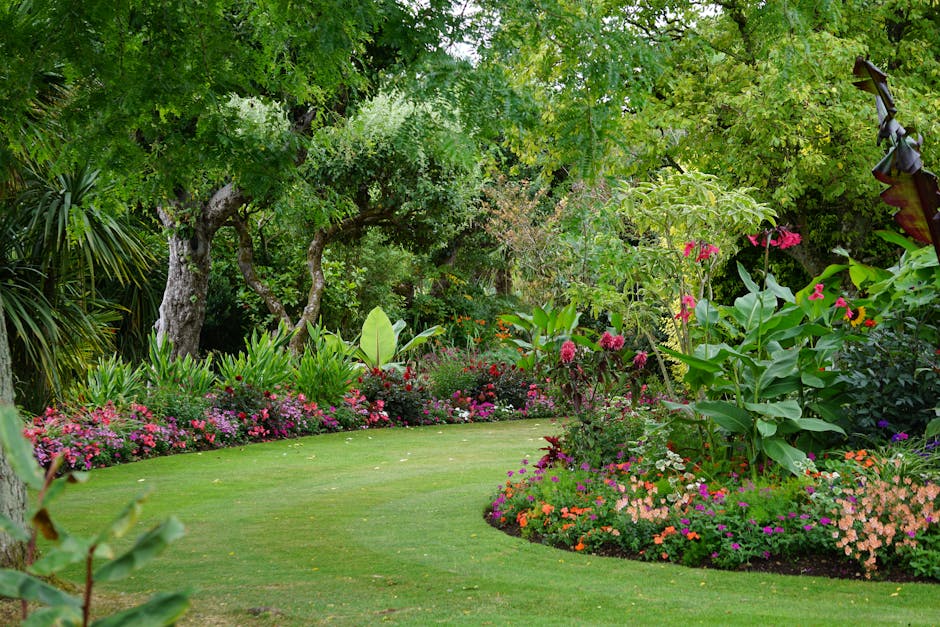
Coulsdon gardeners guide to Farthing Downs garden care
Farthing Downs has a very particular feel to it: open chalk grassland, exposed edges, sweeping views, and gardens that can change mood quickly when the wind gets up or the weather turns. If you live nearby, you already know that garden care here is not quite the same as looking after a sheltered suburban plot. The soil can be lean, drainage can be sharp, and plants that look fine elsewhere may sulk a bit here. That is exactly why this Coulsdon gardeners guide to Farthing Downs garden care matters. It is about creating a garden that suits the place, not fighting it every weekend.
In this guide, you will find practical ways to protect planting, manage lawns, handle hedges, improve borders, and make sensible choices for a garden influenced by the conditions around Farthing Downs. We will also look at when to bring in help, what good maintenance actually looks like through the year, and the common mistakes that cost time and money. Nothing fancy. Just grounded advice that works in real gardens.
Expert summary: If your garden sits anywhere near Farthing Downs, success usually comes from working with the local conditions rather than trying to force lush, high-maintenance planting into every corner. Choose tough plants, improve soil carefully, prune at the right time, and stay consistent with seasonal maintenance. That's the short version, anyway.
Table of Contents
- Why Coulsdon gardeners guide to Farthing Downs garden care Matters
- How Coulsdon gardeners guide to Farthing Downs garden care Works
- Key Benefits and Practical Advantages
- Who This Is For and When It Makes Sense
- Step-by-Step Guidance
- Expert Tips for Better Results
- Common Mistakes to Avoid
- Tools, Resources and Recommendations
- Law, Compliance, Standards, or Best Practice
- Options, Methods, or Comparison Table
- Case Study or Real-World Example
- Practical Checklist
- Conclusion
- Frequently Asked Questions
Why Coulsdon gardeners guide to Farthing Downs garden care Matters
Farthing Downs is beautiful, but beauty comes with a bit of work. Gardens around this part of Coulsdon tend to face a mix of open exposure, chalky or free-draining ground, and seasonal stress from wind, frost, and summer dryness. You can have a healthy garden here, absolutely. But it usually takes more thought than simply planting, watering, and hoping for the best.
That is where local understanding matters. A border that looks lush in a more sheltered part of south London may not cope well here if the roots never get a proper hold. Lawns can thin out more quickly in dry spells. Hedges may grow unevenly if they are caught by the wind. And if you are near open land, weeds, self-seeded saplings, and vigorous grasses can move in faster than you expected. It is a little relentless sometimes.
Good garden care near Farthing Downs is not about making everything manicured. It is about resilience. A resilient garden looks good, yes, but more importantly it can bounce back after a cold snap, recover from heat, and keep its structure when the weather is being awkward. That is the real goal.
For many households, this also means thinking beyond planting. Paths need to stay clear, patios need regular cleaning, hedges must be controlled, and trees may need professional attention if they are shading out beds or becoming unsafe. If your outside space is starting to feel like a chore rather than a place to enjoy, a broader maintenance plan often helps. In some cases, the best starting point is a full tidy-up through garden maintenance support, especially if the space has got away from you over the winter.
How Coulsdon gardeners guide to Farthing Downs garden care Works
Think of Farthing Downs garden care as a simple three-part process: read the site, choose the right interventions, then maintain consistently. That sounds obvious, but many garden problems start when one of those steps is skipped.
1. Read the site properly
Start by observing where the garden gets sun, where the wind hits, and which spots dry out quickly. Chalk-influenced ground often drains well, which is great in a wet week and less great in a prolonged dry one. You may also notice that certain parts of the garden feel warmer near walls or patios, while exposed sections can feel surprisingly harsh. Those little differences matter more than people expect.
2. Match plants and materials to the conditions
Once you know the site, pick plants that will not constantly need rescuing. Native and drought-tolerant choices are often sensible. So are ground covers, structured hedging, and hardy perennials that can cope with a bit of neglect when life gets busy. For ideas on useful planting layers, the guide to ground cover plants is a very practical place to start.
Materials matter too. Gravel paths, mulches, and weather-resistant hard landscaping can make a garden easier to manage. If you are adding seating or a patio area, make sure the surface and drainage can handle seasonal movement and moss growth. That bit is boring until someone slips, to be fair.
3. Maintain on a rhythm, not a panic basis
Good gardens are not maintained only when they look bad. They are maintained in small, regular stages. Weekly weeding, seasonal pruning, lawn care, and an occasional deeper tidy-up will almost always beat the cycle of "leave it for ages, then spend a whole Saturday regretting it." We have all been there.
For many homes, local maintenance is best handled through a blend of services such as lawn care, hedge trimming in Coulsdon, and the wider gardening services available on the site. The point is to keep the work manageable and the results consistent.
Key Benefits and Practical Advantages
A garden designed for Farthing Downs conditions offers more than just tidy borders. It saves time, reduces plant losses, and makes the whole space feel calmer. That may sound slightly lofty, but you do notice it when the garden stops fighting you.
- Lower water stress: Choosing suitable planting and soil improvements reduces how often you need to water.
- Better wind tolerance: Structured shrubs, hedges, and staking where needed help plants stand up to exposed conditions.
- More reliable growth: Plants suited to local light and soil patterns establish faster and look healthier.
- Less weed pressure: Well-planned planting, mulch, and ground cover can keep unwanted growth down.
- Improved safety and usability: Clear paths, neat boundaries, and maintained hard surfaces reduce everyday hazards.
- Long-term value: A manageable garden is easier to enjoy, easier to sell with, and easier to keep looking cared for.
There is also a quieter benefit: confidence. When your garden has a plan, you stop wondering whether every patch of yellowing leaves means disaster. Most of the time, it does not. It just means the site needs a more thoughtful approach.
If you are trying to get more out of a compact outdoor space, techniques such as container gardening or vertical garden designs can be especially useful. They let you grow well where the ground itself is less generous.
Who This Is For and When It Makes Sense
This guide is for anyone in or around Coulsdon who wants their garden to cope better with the realities of life near Farthing Downs. That includes homeowners with sloping plots, families with exposed back gardens, landlords keeping outdoor spaces presentable, and older residents who want a lower-effort garden that still feels pleasant.
It also makes sense if you are dealing with any of these situations:
- your lawn keeps thinning or drying out
- hedges are becoming too tall, too wide, or too wind-battered
- borders are patchy because plants are not settling in
- you have inherited an overgrown or neglected garden
- your patio, decking, or fence is looking tired and needs attention
- you want a safer garden for children or pets
For example, a family with a dog may need a layout that separates play space from planting. In that case, it can help to review ideas from dog-friendly gardening alongside practical boundary work such as fencing. Different needs, same garden. That is usually how it goes.
This approach is also useful for people who simply do not want a high-maintenance garden. If that sounds like you, there are plenty of economical options in effortless and economical garden ideas that fit naturally into a Farthing Downs setting.
Step-by-Step Guidance
Here is a practical way to tackle a garden near Farthing Downs without overcomplicating it.
- Assess the ground and exposure. Check which areas are sunny, windy, dry, shady, or heavily used. Make notes. A quick sketch on paper works fine.
- Clear the obvious problem areas. Remove dead plants, invasive weeds, broken pots, and debris. If the garden has become seriously neglected, a more structured reset may be needed. There is useful context in the guide to transforming derelict gardens into beautiful spaces.
- Improve soil carefully. Add organic matter where appropriate, but do not overwork the soil. On free-draining ground, the goal is usually to improve moisture retention without making it heavy and sticky.
- Choose the right planting mix. Combine reliable shrubs, hardy perennials, structural evergreens, and ground cover. A bit of variation keeps things interesting while staying practical.
- Set up water-smart planting. Water deeply during establishment, then reduce frequency as roots settle. Shallow, frequent watering often creates weaker plants.
- Define edges and circulation. Keep paths, lawn borders, and patios distinct so the garden is easier to move through and maintain.
- Schedule seasonal maintenance. Prune, mow, weed, and tidy in stages through the year rather than in one exhausting burst.
- Review what is working. After a season or two, you will see which parts of the garden thrive and which need a different approach. That feedback is gold, honestly.
A practical note: if the garden includes mature trees, overhanging branches, or blocked light, it may be wise to look at tree surgery rather than simply trimming around the problem. Trees can dominate a plot surprisingly quickly.
Expert Tips for Better Results
Small decisions make a big difference in a place like Farthing Downs. Here are the details that tend to separate a decent garden from one that really settles in.
Use mulch like a long-term tool, not a cosmetic afterthought
Mulch helps reduce moisture loss, suppress weeds, and moderate soil temperature. On exposed sites, that buffering effect is especially useful. Woodchip, leaf mould, and other organic mulches can all help, provided they are applied with care around stems.
Give plants room to breathe
One mistake people make is crowding borders because the garden looks empty at first. It will not stay empty. Plants grow, and if they are squeezed together, air flow drops, mildew risk rises, and the whole thing becomes harder to manage.
Think in layers
Good garden structure usually comes from layering: taller shrubs or hedging at the back, perennials through the middle, and ground cover or low planting at the front. If privacy is part of the brief, a well-chosen hedge can help. The article on speedy-growth hedges for privacy is useful if you want options that establish without waiting half a decade.
Do not ignore winter protection
Just because a plant survives one winter does not mean it is happy. Repeated cold, wind, and wet can weaken roots and stems. A little preparation before winter can save a lot of spring disappointment. For practical seasonal preparation, see harsh winter plant protection tips.
Keep an eye on the awkward corners
Those little narrow spaces beside a shed, under a fence, or behind a bin store often become weed magnets. They also tend to be the places where tools disappear, because of course they do. A little regular attention there pays off more than you expect.
Common Mistakes to Avoid
Most garden problems near Farthing Downs are not caused by one dramatic mistake. They are caused by a handful of ordinary ones repeated over and over. Slightly annoying, but fixable.
- Planting for looks only. A plant may be attractive in a nursery and still be a poor fit for a windy, free-draining site.
- Overwatering young plants. Roots need moisture, yes, but they also need oxygen. Waterlogged conditions can cause just as many problems as dryness.
- Ignoring hedges until they are unmanageable. Regular shaping is easier than emergency cutting. If you need help with that, hedge trimming in Coulsdon is the sort of service that prevents the "how did it get this big?" moment.
- Letting weeds seed freely. Once weeds set seed, you have volunteered for extra work later.
- Using the wrong lawn approach. Short, frequent cuts without feeding or aeration can weaken grass in exposed gardens. A proper lawn mowing routine needs to suit the season and the turf.
- Putting hard landscaping in without drainage thinking. Patios and decking can look great, but if water sits beneath or beside them, maintenance issues follow.
There is also the common temptation to change too much too quickly. Truth be told, most gardens do better with steady improvement than with a dramatic weekend makeover. Unless you enjoy backache. In which case, carry on, I suppose.
Tools, Resources and Recommendations
You do not need a shed full of specialist gear to look after a Farthing Downs garden properly, but a few reliable tools make life much easier.
| Task | Useful tools | Why it helps |
|---|---|---|
| Border care | Hand fork, secateurs, hoe, bucket | Makes weeding, deadheading, and light pruning quicker and cleaner |
| Lawn care | Mower, rake, edging tool, spreader | Keeps grass even and supports a healthier lawn surface |
| Hedge shaping | Hedge trimmer, loppers, safety gloves | Useful for consistent shaping and safe cutting back |
| Soil improvement | Compost fork, wheelbarrow, mulch, garden fork | Helps you work organic matter into the right areas without overcompacting the soil |
| Hard surface care | Stiff broom, patio cleaner, pressure washer used carefully | Reduces moss, grime, and slip risk on patios and paths |
If you are starting from scratch, a good general reference is the site's guide to essential gardening tools. For planting inspiration in tighter spaces, herb garden ideas can be a nice way to add fragrance and practical use at the same time.
Some gardens also benefit from specialised services rather than more tools. That might mean patio cleaning for slippery stone, regular lawn mowing for tidy presentation, or even landscaping where the layout needs proper rethinking. If your plot needs a fresh start, those services can save a huge amount of effort.
Law, Compliance, Standards, or Best Practice
Garden care near Farthing Downs is mostly about practical best practice, but a few care points are worth keeping in mind. If you are working near trees, fences, boundaries, or shared access, avoid assuming the land is yours to alter freely. Boundary issues can be awkward, and they are much easier to prevent than resolve.
For tree work, especially anything involving height, overhang, decay, or safety concerns, professional judgement matters. This is not just about neatness. It is about avoiding damage, reducing risk, and keeping people safe. If there are large trees or mature specimens affecting light, structure, or safety, it may be better to use tree surgery than to attempt an improvised fix with a ladder and optimism.
Health and safety also matter for contractors and homeowners alike. Good practice includes using the right equipment, wearing suitable protective gear, keeping paths clear, and handling tools sensibly. If you are hiring anyone, it is fair to ask how they work and what precautions they take. Pages such as health and safety policy and insurance and safety information help set expectations. So does clear communication.
For customer confidence, it is also sensible to review practical business details such as terms and conditions, payment and security, and the company's privacy policy and cookie policy. Not glamorous, but useful. And useful tends to win.
Options, Methods, or Comparison Table
There is rarely only one way to care for a garden near Farthing Downs. The right approach depends on your time, budget, and how much you want to improve.
| Approach | Best for | Pros | Trade-offs |
|---|---|---|---|
| Do-it-yourself upkeep | Smaller gardens, confident gardeners, modest budgets | Flexible, low cost, hands-on control | Can become time-consuming; easy to miss seasonal jobs |
| Routine professional maintenance | Busy households, landlords, larger plots | Consistent finish, less stress, fewer missed tasks | Ongoing cost, needs good communication |
| One-off recovery tidy | Overgrown or neglected spaces | Fast visual improvement, good reset point | Needs follow-up care or the garden slips back |
| Full redesign or landscaping | Problem gardens, layout issues, poor drainage or poor flow | Can solve deeper issues and improve long-term use | More planning, higher initial commitment |
For some readers, a mix works best: a one-off tidy followed by routine upkeep. For others, it is enough to get the lawn under control, improve the borders, and leave the rest for later. There is no prize for doing everything at once. Thankfully.
Case Study or Real-World Example
A typical Farthing Downs-side garden might begin as a half-tidy plot with a patchy lawn, a hedge that has taken over one side, and borders full of plants that never quite settled. The owners may have tried a few quick fixes already: more watering, a bag of general fertiliser, maybe some new bedding plants from a garden centre. But the garden still looks tired.
The turnaround usually starts with observation. Which area dries first? Where does the wind funnel through? Which plants are actually thriving? Often, the answer is less about adding more and more, and more about removing the wrong things. Cut back the hedge properly. Clear the weeds. Replace fragile planting with something tougher. Add mulch. Improve drainage where needed. Then keep the lawn shorter but healthier, not scalped.
One example that comes up often is a garden with a shady side and a bright open side. The sunny side can take drought-tolerant planting, herbs, and a seating area. The shady side may do better with structural evergreens or climbing plants. A split approach like that feels obvious once it is done, but people often try to treat the whole garden as one uniform space. It is not one space, really. It is a set of conditions.
When the layout and upkeep are improved together, the garden usually feels calmer within a season. Not perfect. Just more settled, which is often better.
Practical Checklist
Use this quick checklist to keep your Farthing Downs garden moving in the right direction.
- Check which areas are exposed, sheltered, sunny, or shady
- Remove dead growth, debris, and visible weeds
- Feed and improve soil where it makes sense, not everywhere at once
- Choose sturdy planting suited to local conditions
- Use mulch to help with moisture retention and weed control
- Inspect hedges and trees for overgrowth or safety issues
- Keep lawn mowing regular and seasonally appropriate
- Clean patios, paths, and decking before algae becomes a problem
- Protect vulnerable plants in cold or windy weather
- Review what worked after each season and adjust
If you are starting from a garden that has been ignored for a while, it may be worth reading about weatherproofing your garden and plants that help gardens cope with changing conditions. Both can shape better decisions for the long term.
Conclusion
Farthing Downs gives Coulsdon gardens a distinctive character: open, resilient, and a bit demanding in the best possible way. If you want a garden that looks good and behaves well across the seasons, the answer is not complicated. Know the site. Choose plants carefully. Maintain steadily. And when the work becomes bigger than a weekend job, get proper help before small issues turn into larger ones.
The real success of Coulsdon gardeners guide to Farthing Downs garden care is that it helps you make calm, practical choices. That means less waste, fewer plant losses, and a garden that feels more like part of home and less like a second shift. Which, let's be honest, is what most people want.
If you would like tailored help with maintenance, reshaping, or a full garden refresh, take the next step and speak with a local expert. Get a free quote today and see how much you can save.
And if you are planning the next season already, that's a good sign. Gardens near Farthing Downs reward steady care, not drama. A little patience goes a long way.
Frequently Asked Questions
What makes garden care near Farthing Downs different from other parts of Coulsdon?
The main difference is exposure. Gardens near Farthing Downs often deal with more wind, sharper drainage, and soils that can dry out quickly. That means planting and maintenance need to be chosen more carefully than in a sheltered garden.
What are the best plants for a Farthing Downs-style garden?
Hardy shrubs, drought-tolerant perennials, structural evergreens, herbs, and good ground cover usually perform well. The key is to choose plants that can handle local conditions rather than relying on very thirsty or delicate varieties.
How often should I water a garden in this area?
There is no single rule, because it depends on soil, shade, and plant maturity. Newly planted specimens need regular deep watering, while established plants often do better with less frequent but more thorough watering. Shallow watering is usually less effective.
Do I need professional help for hedge trimming and pruning?
If the hedge is tall, wide, uneven, or close to boundaries, professional help is often a sensible choice. The same is true for anything involving large shrubs or trees where safety and access become an issue.
How can I make my garden lower maintenance?
Use mulch, reduce the amount of thirsty planting, improve lawn discipline, and choose plants that suit the site. Ground cover, hedging, and simple planting layers usually create a lower-effort garden than fussy mixed borders.
What should I do with a neglected garden that has become overgrown?
Start with a clear-out of dead material, weeds, and self-seeded growth. Then decide whether you need a tidy-up, a series of maintenance visits, or a larger redesign. Very neglected gardens often benefit from a staged approach rather than a single big push.
Is patio or decking maintenance important near Farthing Downs?
Yes. Exposed and shaded areas can both collect dirt, moss, and algae. Regular cleaning helps keep surfaces safe and makes the whole garden look more cared for. It is one of those jobs you only notice when it has been left too long.
Can I use lawn care services even if my lawn is small?
Absolutely. Smaller lawns still need the right mowing height, seasonal feeding, edging, and occasional repair. A compact lawn can actually benefit a lot from professional attention because every patch is visible.
What is the best time of year for garden maintenance work?
Different tasks suit different seasons. Spring and early summer are good for planting and shaping growth. Autumn is useful for tidying, soil improvement, and preparing for winter. Winter is often about protection, pruning where appropriate, and planning ahead.
How do I know whether to repair or redesign my garden?
If the layout works and the main issue is maintenance, repair may be enough. If the garden drains badly, feels awkward to use, or constantly fails in the same spots, redesign might be the better long-term option.
Are there safety issues I should think about before starting garden work?
Yes. Slippery patios, unstable steps, heavy branches, and awkward ladder work can all create risk. Good practice is to use suitable equipment, keep pathways clear, and call in help for bigger or more hazardous tasks.
How do I get a quote for garden work?
Usually the easiest step is to contact the team directly with a short description of your garden and the work you want done. If you already know the main problem areas, mention them. That helps get a more accurate response from the start.