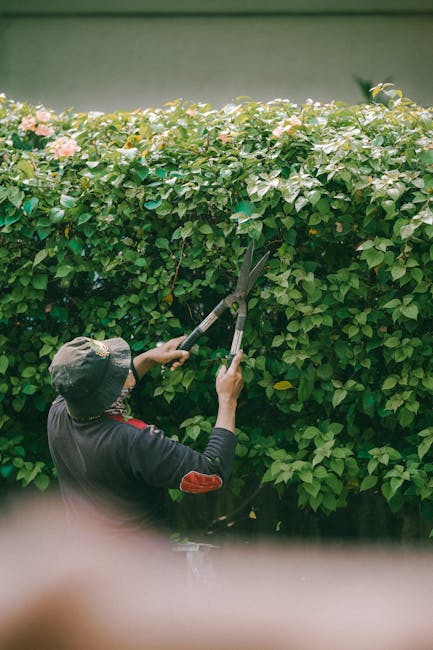
CR5 Gardeners Pricing: What to Know About Real Costs
If you are trying to make sense of CR5 gardeners pricing what to know about real costs, you are probably doing the same thing most homeowners do before booking any garden work: comparing quotes, wondering what is actually included, and trying not to get caught out by the little extras. Fair enough. Garden pricing can look simple at first glance, then suddenly it is not. A tidy lawn, a hedge that has gone a bit wild, a patio that needs proper cleaning after a wet spell, maybe even a full garden rescue after months of neglect - each job changes the numbers.
This guide breaks down the real cost drivers in plain English. You will see how pricing usually works, what affects the final bill, where value is won or lost, and how to ask for a quote without feeling like you are decoding a mystery. We will also cover practical ways to keep costs sensible, plus the mistakes people make when they go for the cheapest option and hope for the best. Spoiler: that rarely ends well.
Why CR5 gardeners pricing what to know about real costs Matters
Garden work is one of those services where the visible job and the hidden effort can be very different. A hedge might look like a 20-minute tidy from the kitchen window, then turn into a two-hour job once you factor in access, waste removal, awkward shapes, and whether the trimmings need to be bagged or taken away. That gap is exactly why pricing deserves attention.
In the CR5 area, homeowners often need anything from routine maintenance to one-off tidy-ups, seasonal resets, and larger outdoor improvements. Some jobs are predictable, like regular lawn mowing or ongoing garden maintenance. Others, like hedge shaping, overgrowth clearance, or tree-related work, can shift quickly once the site is inspected. Understanding what affects cost helps you compare quotes properly instead of comparing apples with pears. Or worse, apples with a wheelbarrow full of brambles.
It also helps with planning. If you know a job is likely to need extra time, tools, or green waste disposal, you can budget realistically. That matters whether you are preparing for spring growth, sorting out a tired back garden, or trying to keep a small front garden looking neat with minimal fuss. And honestly, a well-priced job is not just about saving money. It is about avoiding repeat work, poor results, and that sinking feeling when the final invoice is nothing like what you expected.
How CR5 gardeners pricing what to know about real costs Works
Most garden services are priced in one of three ways: hourly, fixed quote, or a regular maintenance arrangement. Each one works differently, and the best choice depends on the size and condition of the job.
Hourly pricing
Hourly pricing is common for jobs where the scope can shift once work begins. Think clearing an untidy border, pruning mixed shrubs, or tidying a garden that has not been touched for a while. It can be fair and flexible, but only if the gardener is transparent about estimated time and likely extras.
Fixed quotes
A fixed quote suits clearly defined work. For example, a one-off patio clean, a hedge trim with a known boundary, or a specific landscaping task. Fixed pricing makes it easier to budget, but the quote should spell out exactly what is included. Waste removal, materials, and access issues should not be hidden in a vague line item somewhere in the small print.
Regular visits
Routine visits often give the best value over time because the garden stays manageable. Once growth is under control, jobs are usually quicker and cheaper than major catch-up sessions. That is one reason many homeowners prefer an ongoing arrangement through gardeners for wider outdoor care rather than booking isolated visits every few months.
Real costs are shaped by more than time alone. A short list of the usual pricing drivers includes:
- garden size and layout
- how overgrown or neglected the space is
- type of work required
- access to the property and to the garden itself
- tools, fuel, and specialist equipment
- green waste collection or disposal
- whether the task needs two people instead of one
- seasonal demand, especially in spring and early summer
One practical detail that often gets missed: a quote based on a quick phone call is usually only an estimate. A proper site visit, or at least a very clear set of photos and measurements, gives a much more reliable figure. That may seem obvious, but people skip it and then wonder why the price changed. It happens all the time.
Key Benefits and Practical Advantages
Knowing the real cost of garden work gives you more than budget control. It gives you leverage, clarity, and fewer surprises. And that is worth a lot.
- Better comparisons: You can compare quotes on scope, not just headline price.
- Fewer hidden extras: You are more likely to spot charges for waste, materials, or follow-up visits.
- Smarter scheduling: You can group jobs together when it makes financial sense.
- Healthier garden outcomes: Regular care often prevents more expensive catch-up work later.
- Less stress: You know what to expect before anyone arrives at the gate with a mower and a very determined expression.
There is also a quality benefit. Gardeners who are open about pricing usually tend to be open about the work itself. That does not guarantee perfection, of course, but it is a decent sign. If someone explains what they will do, how long it should take, and what could change the quote, that is usually a much better starting point than a one-line message that says, "Price depends." Well, yes - but on what?
Who This Is For and When It Makes Sense
This topic is relevant to almost anyone with outdoor space, but it matters most in a few common situations.
- Busy homeowners who want the garden kept tidy without wasting money on the wrong service.
- First-time buyers who have inherited a garden that looks manageable at first glance, then turns out to be a bit of a jungle.
- Landlords and letting agents who need clear pricing for recurring maintenance or pre-tenancy work.
- Families who want safe, usable outdoor space for children, pets, and everyday life.
- Property owners preparing to sell and needing the garden to look presentable without overspending.
- People dealing with neglected plots, broken paving, heavy weed growth, or boundary issues that may need a mix of services.
It also makes sense if you are comparing different types of outdoor work. A simple tidy-up is one thing; a bigger project might need input from landscaping services, tree work, or even boundary and fencing improvements. Pricing gets easier to understand once you see how these services fit together.
Step-by-Step Guidance
If you want a sensible quote and fewer surprises, follow a simple process. Nothing fancy. Just a bit of method.
- List the jobs separately. Write down mowing, hedge trimming, weeding, pressure cleaning, pruning, waste removal, or anything else you need.
- Decide what matters most. Is it speed, appearance, safety, or keeping ongoing costs down?
- Take clear photos. A wide shot and a few close-ups often say more than a paragraph of text.
- Measure where you can. Even rough dimensions help, especially for lawns, patios, borders, and hedges.
- Ask what is included. Labour, materials, waste disposal, and follow-up tidying should all be clear.
- Check whether the work is one-off or ongoing. Repeat visits can reduce the effort needed each time.
- Request more than one quote. You are looking for consistency, not just the lowest figure.
- Compare the scope line by line. A cheaper quote may simply be thinner.
One small but useful trick: ask the gardener how they would approach the job before talking price. The answer often tells you a lot. If they mention access, disposal, time on site, and likely snags, you are probably speaking to someone who has actually been in enough gardens to know how the real world works.
Expert Tips for Better Results
Here is where the savings usually come from. Not dramatic savings, just sensible ones. The kind that add up over a year.
- Bundle compatible tasks. If someone is already on site for hedge trimming, it may be more efficient to add light border tidying or pruning.
- Keep growth under control. Regular maintenance usually costs less than a big seasonal rescue.
- Prepare the space before the visit. Move toys, pots, furniture, and hosepipes out of the way so work can start immediately.
- Be honest about the condition. If the garden is heavily overgrown, say so. Nobody likes price surprises halfway through a job.
- Think in terms of outcomes. Cheapest is not best if it means repeat visits and poor finishes.
If your garden has awkward corners, slopes, shaded beds, or a lot of planted areas, mention that early. It changes the pace of work. It might also change the tool choice. That is one reason why useful prep content, like the right garden tools for outdoor work, can be surprisingly relevant to pricing. Better tools often mean better efficiency, but only if the gardener has room to use them safely.
Another practical point: if you are planning seasonal jobs, timing matters. Spring and early summer are busier, and that can affect availability. A winter tidy may be simpler and cheaper in some cases, while weather-sensitive tasks need patience and the right conditions. It is not glamorous, but it is real.
Common Mistakes to Avoid
People rarely get garden pricing wrong in dramatic ways. More often, they miss one or two small things that quietly push the bill up. Here are the most common ones.
- Choosing only on price. A very low quote can mean rushed work, poor communication, or extras later.
- Not defining the job. "Tidy the garden" is too broad unless everyone agrees what tidy actually means.
- Ignoring waste disposal. Green waste can be a real part of the cost, especially after pruning or clearance work.
- Forgetting access issues. Narrow side gates, long carries, or difficult parking can all add time.
- Leaving everything until the garden is overgrown. The longer you leave it, the harder and dearer it tends to become.
- Not asking about repeat visits. A one-off rescue is rarely the cheapest way to maintain a nice-looking garden.
And one more, because it matters: do not assume every service is interchangeable. A lawn specialist, a hedge cutter, and a landscaper may all work outdoors, but their pricing logic can be very different. For example, lawn care is often about ongoing treatment and condition, while patio cleaning is closer to a specific one-off surface job. That difference affects how quotes should be read.
Tools, Resources and Recommendations
You do not need a van full of equipment to judge a quote well. But a few simple things make the process much easier.
- A notebook or notes app: keep a list of tasks and any questions you want answered.
- Your phone camera: take daylit photos from a few angles, ideally not just the obvious "nice" angle.
- A rough garden sketch: especially useful if there are separate areas, side access, or awkward boundaries.
- Calendar reminders: handy for seasonal upkeep so work does not pile up.
- Previous invoices or quotes: useful for spotting whether the scope has changed over time.
For homeowners who want to keep costs more predictable, the most practical recommendation is to combine routine care with occasional specialist jobs only when needed. That might mean regular mowing, some hedge trimming, and a deeper clean or planting refresh once or twice a year. If your garden is struggling after neglect or weather damage, content on bringing a tired garden back to life can be a useful starting point for thinking about priorities.
Also, if you are trying to stretch your budget, don't overlook low-cost improvements that still make a visible difference. Good planting choices, sensible layout changes, or simple tidy-up routines can transform a space without turning it into a full redesign. The smallest fix is sometimes the one you notice every morning.
Law, Compliance, Standards, or Best Practice
Pricing is not only about convenience. In the UK, professional garden work should be carried out with care for safety, property, and lawful disposal of waste. While the exact requirements depend on the job, a trustworthy gardener should be able to explain how they handle risk, public safety, and the tidying-up phase after work is complete.
Best practice usually includes:
- clear communication before work starts
- reasonable care around plants, boundaries, and hard surfaces
- appropriate handling of tools and machinery
- safe management of waste and debris
- honest quoting when the scope is uncertain
If work involves ladders, power tools, heavy cutting, awkward access, or anything that could damage property, it is sensible to ask how safety is managed. The same applies to specialist jobs. You can also review a provider's health and safety approach and general insurance and safety information before booking. That is not being fussy. That is being sensible.
For straightforward maintenance, proper paperwork and clear pricing go hand in hand. A serious business should be comfortable with terms and conditions, secure payment expectations, and a clear route for any issues through a complaints procedure. If those details are easy to find and easy to understand, that is a good sign. Simple as that.
Options, Methods, or Comparison Table
Below is a quick comparison of common pricing approaches. It is not about finding a perfect formula; it is about matching the method to the job.
| Pricing method | Best for | Pros | Watch-outs |
|---|---|---|---|
| Hourly rate | Unclear or variable jobs | Flexible, useful for awkward or unknown work | Can be hard to predict final cost |
| Fixed quote | Defined jobs with clear boundaries | Budget-friendly and easy to compare | May exclude extras if the brief is vague |
| Regular maintenance plan | Ongoing upkeep | Usually steadier pricing, less catch-up work | Needs commitment and consistent scheduling |
| Project-based pricing | Redesigns, restoration, or larger outdoor changes | Good for bigger transformations with multiple tasks | Scope can expand if the garden throws a few surprises at you |
For many households, the best route is a mix: keep maintenance regular, then quote separately for larger jobs such as garden landscaping or tree-related work. That way, you are not paying a project-style rate for a simple tidy-up, and you are not underpricing work that actually needs proper planning.
Case Study or Real-World Example
Here is a realistic example from the kind of job many CR5 households face after a few seasons of putting things off.
A homeowner has a medium-sized back garden with a lawn, two long hedges, an overgrown border, and a patio that has gone green after a damp winter. On first glance, it looks like a single tidy-up. In reality, it is four separate tasks:
- bring the lawn back under control
- shape and trim the hedges
- clear weeds and dead growth from the border
- clean the patio surface
If the gardener quotes only for the visible lawn work, the final result may feel incomplete. If they quote for every job separately, the homeowner can decide whether to do everything at once or stage it over a couple of visits. That is often the smarter approach. Not always the cheapest in one go, but usually the most useful.
In this type of situation, a practical plan might be:
- Start with the highest-impact work, such as mowing and hedge reduction.
- Follow with weed control and border cleanup.
- Finish with patio cleaning and any final tidy details.
The big lesson? Real costs are easiest to manage when the work is separated into clear parts. It stops the quote from becoming a guess. And it helps the homeowner see what is essential now and what can wait a few weeks. That little bit of staging can save a lot of stress.
Practical Checklist
Use this checklist before you accept any garden quote.
- Have I described the work clearly enough?
- Do I know whether the quote includes waste removal?
- Have I checked if materials are extra?
- Did I send photos or arrange a site visit?
- Is the price hourly, fixed, or part of a maintenance plan?
- Are access issues or parking limitations likely to affect cost?
- Have I compared more than one quote?
- Do I understand what happens if the job takes longer than expected?
- Have I asked about insurance, safety, and terms?
- Does the plan suit my budget and how often I want the garden maintained?
One final check: if something about the quote feels vague, ask for it in plain English. A clear answer is usually available. If it is not, that tells you something too.
Get a free quote today and see how much you can save.
Conclusion
Understanding CR5 gardeners pricing what to know about real costs is really about making better decisions. Once you know what affects garden pricing - size, access, waste, condition, timing, and the type of work involved - the whole process becomes much less intimidating. You can ask sharper questions, compare quotes fairly, and avoid paying more than you need to for a job that should have been straightforward.
In our experience, the best-value jobs are usually the ones where the scope is clear, the garden is maintained regularly, and the quote matches the actual work rather than a guess. Keep things simple, ask for detail, and do not be shy about clarification. A good gardener will understand that. Honestly, they should expect it.
And if your garden is due for a reset, that is not a failure. It is just a garden being a garden - a bit weathered, a bit stubborn, and still perfectly capable of looking brilliant again with the right help.
Frequently Asked Questions
What does CR5 gardeners pricing usually depend on?
It usually depends on the size of the garden, the condition of the space, the type of work needed, access, waste removal, and whether the job is a one-off or ongoing visit.
Why do two garden quotes sometimes look very different?
Because one quote may include waste disposal, extra labour, or a more detailed scope, while the other may only cover a basic version of the work. The cheapest quote is not always the best comparison.
Is hourly pricing better than a fixed quote?
It depends on the job. Hourly pricing can suit unpredictable work, while fixed quotes are usually better for clearly defined tasks like patio cleaning or a specific hedge trim.
Should I ask for a site visit before getting a price?
Yes, if possible. A site visit helps the gardener see access, layout, overgrowth, and other details that affect the real cost. Photos can help too, but they do not always tell the full story.
Do gardeners charge extra for waste removal?
Often, yes. Green waste collection or disposal can add to the price, especially for larger clearances, hedge cuts, or overgrown gardens with a lot of cuttings.
How can I keep garden costs lower over time?
Regular maintenance is usually the easiest way. Smaller, more frequent visits tend to prevent expensive catch-up jobs and keep the garden under control.
What should a garden quote include?
A good quote should clearly state the work to be done, what is included, whether materials or waste removal are extra, and whether the price is fixed or estimated.
Are landscaping jobs priced differently from simple maintenance?
Yes. Landscaping tends to be more project-based and may involve planning, materials, and several stages of work, while maintenance is usually about keeping an existing garden in good shape.
How do I know if a gardener is being transparent about pricing?
They should explain what the quote covers, what could change the price, and how they handle extras. If they answer questions clearly and without fuss, that is usually a good sign.
Is it worth paying more for a better quote?
Sometimes, yes. A slightly higher quote can be better value if it includes proper preparation, careful work, waste removal, and fewer chances of paying again to fix mistakes.
What if my garden is badly neglected?
Then it is usually best to separate the work into stages. A clear clearance, followed by maintenance and then improvement work, often gives you the best control over cost and results.
Where should I go next if I want to compare options?
Start by reviewing the services you actually need, looking at the scope of the job, and then requesting a clear quote from a trusted local team. If you are unsure, a short conversation can save a lot of guesswork later.