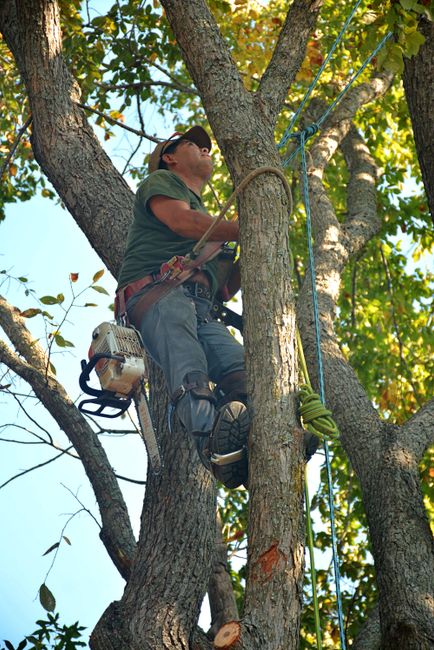
Urgent tree removal gardeners in Coulsdon same day help: what to do when a tree becomes a problem
When a tree starts leaning, splitting, shedding heavy limbs, or blocking access after a storm, you do not really want a long debate about it. You want it dealt with safely, and ideally today. That is exactly where Urgent tree removal gardeners in Coulsdon same day help comes in: fast action, sensible judgement, and a proper plan for removing the hazard without making the rest of the garden worse.
In a place like Coulsdon, where mature trees, narrow side access, and unpredictable weather can all collide at once, urgent tree work is rarely just about cutting something down. It is about protecting people, property, fences, patios, and the rest of the garden too. This guide explains how emergency-style tree removal works, when it makes sense, what to expect on the day, and how to choose help that feels calm, competent, and trustworthy. Because let's face it, when a tree is failing, a clear head matters.
Contents
- Why urgent tree removal matters
- How same-day tree removal works
- Key benefits and practical advantages
- Who this is for and when it makes sense
- Step-by-step guidance
- Expert tips for better results
- Common mistakes to avoid
- Tools, resources and recommendations
- Law, compliance, standards, and best practice
- Options, methods, or comparison table
- Case study or real-world example
- Practical checklist
- Conclusion
- Frequently asked questions
Why Urgent tree removal gardeners in Coulsdon same day help Matters
A tree can go from "slightly concerning" to "needs attention now" surprisingly quickly. High winds, saturated soil, a sudden crack in the main stem, or a split limb hanging over a driveway can create immediate risk. In those moments, same-day help is not a luxury; it is often the difference between a controlled job and a much bigger mess later.
The biggest reason urgent removal matters is safety. A failing tree can drop branches without warning, damage roofs or fencing, or obstruct paths and entrances. If children, pets, or neighbours use the space, the risk becomes more urgent again. You do not want to be standing under a limb that sounds like it is moving in the wind. That creaking noise? It is not reassuring.
There is also the practical side. A blocked driveway, a damaged access route, or a tree leaning across a shared boundary can affect day-to-day life immediately. Same-day removal or emergency stabilisation can restore access, reduce anxiety, and stop a bad situation from spreading into the rest of the garden.
For Coulsdon homeowners, urgency often comes after weather events, but it can also follow years of slow decline. A tree may look healthy from a distance and still have a rotten base, deadwood inside the crown, or root instability after prolonged wet weather. That is why quick assessment matters as much as quick removal.
Expert summary: urgent tree removal is about managing risk first, tidying later. A good response starts with a safe assessment, a controlled plan, and clear communication about what can realistically be done on the same day.
How Urgent tree removal gardeners in Coulsdon same day help Works
Same-day tree help usually starts with a phone call or online enquiry. The first conversation should be focused and practical. Expect questions about the tree's size, location, visible damage, whether it is touching property, and whether there is any immediate danger such as hanging branches or blocked access. If you can send photos, that often speeds things up. A quick photo in daylight can tell a lot, even before anyone arrives.
From there, the job is triaged. Some trees need immediate removal. Others may only need dangerous limbs cut back, the crown reduced, or the area made safe until a full job can be scheduled. Not every urgent call ends with a full felling. Sometimes the best solution is a temporary safety measure first, then a more complete removal later. That is a sensible approach, and in fairness, the sensible approach is usually the best one.
If the tree is accessible and the risk is manageable, a gardener or tree professional may attend the same day with the right cutting tools, rigging gear, protective equipment, and vehicles for green waste. If the tree is too large, too close to structures, or too unstable, the team may decide on a controlled section-by-section removal. That takes more time, but it is usually far safer than rushing.
In many urgent cases, the aim is not to leave the garden perfect on the first visit. The aim is to make the site safe, clear hazards, and remove the immediate threat. Once the danger is under control, more detailed work can follow through tree surgery services or broader gardening support if the surrounding garden needs attention too.
Key Benefits and Practical Advantages
There are several good reasons people look for urgent tree removal help rather than waiting days or weeks. Some are obvious, some are less obvious until you are the one dealing with a damaged tree in the rain.
- Immediate danger reduction: Removes unstable trunks, branches, or partially fallen trees before they cause further damage.
- Faster access restoration: Helps reopen driveways, side paths, gates, and shared access points.
- Less secondary damage: Timely work can reduce pressure on fences, patios, decking, sheds, and nearby planting.
- Better decision-making: A professional assessment helps separate genuine emergencies from issues that only look dramatic at first glance.
- Cleaner handover: Good urgent work includes debris control, safe clearance, and a clear recommendation for next steps.
There is also a confidence benefit, which people often underestimate. Once a dangerous tree is dealt with, the whole garden feels calmer. The smell of fresh cut timber, the open space where a hazard used to loom, the ability to let the dog out without watching every gust of wind - those things matter in ordinary life.
If the wider garden needs rebalancing after removal, you may later want to look at landscaping support or regular garden maintenance so the space settles back into something usable and tidy.
Who This Is For and When It Makes Sense
Urgent tree removal is for anyone dealing with a tree that is becoming a safety issue faster than a normal booking can handle. That includes homeowners, landlords, managing agents, and sometimes businesses with private grounds or car parks. It is also relevant for anyone with overhanging branches that have just snapped, or trees that look like they are shifting after heavy rain.
It makes particular sense in these situations:
- a tree is leaning more than usual after a storm
- large limbs are hanging over a roof, conservatory, or garage
- the base of the tree is cracking or lifting
- the tree is blocking a path, gate, or access route
- there is visible decay, hollowing, or major deadwood
- roots appear exposed, disturbed, or undermined
- the tree is interfering with fencing or neighbouring property
Sometimes the issue is less dramatic but still urgent. For example, a tree that has not fully fallen but is resting in an awkward way after wind damage can still be dangerous. It may look stable for a few hours and then shift. That is exactly the kind of job where fast judgment matters.
If your property also has access constraints, such as side alleys, tight rear gardens, or shared entries, mention that early. Same-day help is much easier when the team knows what they are walking into.
Step-by-Step Guidance
If you are in the middle of a tree emergency, a simple process helps more than a long checklist of theory. Here is the practical version.
- Keep clear of the tree. Do not stand under hanging branches or try to test the trunk by pushing it. That is a quick way to turn a worry into an injury.
- Make the area safe. Move cars, furniture, plant pots, and anything fragile if it can be done safely from a distance.
- Take a few photos. Capture the whole tree, the base, the leaning side, and any visible damage. These pictures help with triage.
- Explain the risk clearly. Say whether it is blocking access, touching a building, or causing damage. Specific details help prioritise the job.
- Ask what can be done today. Sometimes the answer is full removal, sometimes partial dismantling, sometimes temporary make-safe work.
- Confirm access and waste removal. Tree work creates a lot of material. Ask how debris, branches, and timber will be handled.
- Check the next step for the site. Once the tree is gone, the garden may need stump advice, fence repair, or a tidy-up plan.
In real life, the first hour matters most. If you call early and provide useful information, the whole job usually becomes smoother. A team can arrive prepared instead of guessing with a van full of kit and hoping for the best. Not ideal.
After the urgent work is completed, you may want to review your longer-term garden plan. That could mean fence repairs, patio cleaning if debris has left marks, or even a rethink of how the space is planted using ideas from ground cover planting and fast-growing privacy hedges.
Expert Tips for Better Results
There are a few small choices that make a big difference when tree removal is urgent. These are the kinds of details people only learn after a few messy jobs, so it is worth getting them right the first time.
- Send photos in daylight if possible. A dim evening image can hide the tree's angle, the damage point, or nearby obstacles.
- Be honest about access. If the rear gate is narrow or there are steps, say so. It avoids delays.
- Ask what will be left behind. Some jobs include full clearance; others leave timber sections for later collection or reuse.
- Request a make-safe option if full removal is not possible. A partial solution today is better than waiting in danger.
- Think about what the tree was doing for the garden. Shade, screening, shelter, and nesting habitat may need replacing later.
A useful local habit, especially in windier months, is to walk the boundary after heavy weather and listen. Odd, maybe, but true. A fresh crack, a new lean, or loose branches often reveal themselves before a full failure does. You will notice it if you slow down for a minute.
Where the tree has altered the light in the garden, you can compensate with plant choices and layout tweaks. Some people choose containers from container gardening ideas, while others use vertical planting from vertical garden designs to bring life back into a darker corner.
Common Mistakes to Avoid
Urgent tree jobs can go wrong when people try to save time in the wrong place. A few avoidable mistakes come up again and again.
- Trying to cut it yourself: A damaged tree can move in ways you do not expect. That is not the moment for DIY confidence.
- Waiting for "one more day": If the tree is unstable now, weather can make it worse by tonight.
- Ignoring root or base damage: A tree can look upright while being structurally compromised below ground.
- Not mentioning nearby structures: Greenhouses, fences, sheds, and patios can all affect the method used.
- Assuming all tree work is the same: Emergency removal, pruning, stump management, and crown reduction are different jobs.
Another one, and this is a classic: people sometimes focus on the visible branch problem and forget the mess on the ground. Slippery bark, torn roots, and scattered twigs can all create trip hazards. A safe job includes the full site, not only the dramatic part hanging overhead.
Tools, Resources and Recommendations
You do not need to own the tools yourself, but it helps to understand what a capable team may bring. For urgent tree removal, the kit is usually chosen to balance speed with control.
| Tool or resource | What it is used for | Why it matters in urgent work |
|---|---|---|
| Chainsaw or pruning saw | Cutting limbs and sections safely | Allows controlled dismantling instead of rough breakage |
| Rigging gear | Lowering heavy branches in a controlled way | Reduces risk to roofs, fences, and paths |
| Protective equipment | Helmets, gloves, eye and leg protection | Essential for safe cutting and debris handling |
| Site clearance equipment | Moving wood, cuttings, and debris | Keeps access clear and reduces slips or trips |
| Garden planning follow-up | Repairing, replanting, or reshaping the space | Helps the garden recover after the tree is gone |
For the follow-up phase, it is often useful to look at the garden as a whole rather than the tree in isolation. After urgent tree work, many people ask about landscaping options, lawn care where the ground has been churned up, or even a broader refresh through the team's background and approach.
If your garden has become cluttered or overgrown, you might also find it helpful to pair tree removal with routine garden maintenance or a one-off tidy-up that restores shape after the emergency has passed.
Law, Compliance, Standards, or Best Practice
Tree work in the UK can involve more than just practical cutting. Depending on the tree, the location, and the property, there may be planning constraints, ownership issues, or safety obligations to think about. That does not mean every urgent removal is complicated, but it does mean you should avoid making assumptions.
Best practice is to check whether the tree is protected, whether it sits near a boundary, and whether the work could affect neighbours, shared access, or visible street frontage. If the tree is in a conservation area or otherwise protected, extra steps may be needed before non-emergency work. In a genuine emergency, the priority is often to make things safe first, but records and follow-up still matter.
Good practice also includes proper risk assessment, suitable protective equipment, and careful site management. You want a team that thinks ahead about falling sections, public access, weather conditions, and how to keep the work area contained. That is where a solid insurance and safety approach becomes relevant. It is not glamorous, admittedly, but it matters a lot when something heavy is hanging over a boundary fence.
Another point worth mentioning: if the tree is shared or close to a neighbour's property, communication helps. A brief heads-up can prevent frustration later. It is much easier to work together than to argue about branches after the fact.
Options, Methods, or Comparison Table
Not every urgent tree problem needs the same response. Sometimes people assume the only choice is "remove it now or do nothing," but there are usually a few sensible paths depending on the risk and access.
| Method | Best for | Typical advantage | Limitation |
|---|---|---|---|
| Full removal | Dead, unstable, or badly damaged trees | Eliminates the hazard completely | May require more time, access, and cleanup |
| Sectional dismantling | Trees near houses, fences, or tight gardens | Controlled and safer around structures | Slower than a simple open-space removal |
| Make-safe pruning | Immediate danger, but not yet a full removal | Quick risk reduction | May be temporary rather than final |
| Staged follow-up | Large jobs that need planning | Gives time to organise access and disposal | Does not remove the hazard instantly |
In simple terms, the right method is the one that gets the danger under control without creating a second problem. A rushed full removal is not always better than a careful partial solution. Pretty obvious when you say it out loud, but easy to forget in the moment.
Case Study or Real-World Example
Picture a typical Coulsdon garden after a windy night. A medium-sized tree in the rear boundary has split partway up the trunk. One branch is hanging over the patio, another is pressing on a fence panel, and the garden gate is half blocked by debris. The homeowner is worried about a dog getting out, the neighbour is understandably looking over the fence, and nobody wants to take a chance with the branch hanging above the seating area.
In a situation like that, the best same-day response usually begins with photos, a safety check, and a quick triage call. The team confirms access, identifies which sections can be removed immediately, and decides whether the job can be done in one visit or needs a make-safe step first. The work might not look neat halfway through. That is normal. What matters is that the unsafe branch is controlled, the patio is cleared, and the garden is no longer under threat.
What usually happens next is equally important. Once the tree issue is resolved, the homeowner can think about replacing lost shelter, repairing the fence, and restoring the space with planting or layout changes. Some people choose simple resilient planting, others go for a more ambitious redesign. The point is, the emergency does not have to define the garden long term.
I have seen similar jobs where the owner felt embarrassed about the mess before the work even started. No need, honestly. Gardens are living spaces, and living spaces sometimes do dramatic things. The good news is they recover.
Practical Checklist
Use this checklist if you need urgent tree removal help in Coulsdon and want to stay organised while the clock is ticking.
- Confirm nobody is standing under the tree or near hanging branches
- Keep children and pets away from the area
- Move vehicles and light garden items if it is safe to do so
- Take clear photos from a distance
- Note whether the tree is touching a roof, fence, or utility line
- Check whether access is through the front, side, or rear garden
- Tell the contractor if the tree is leaning more than before
- Ask what same-day work is possible
- Ask how waste and debris will be handled
- Confirm whether follow-up work is needed after removal
Quick takeaway: the best urgent tree removal jobs are calm, safe, and well communicated. Fast does not have to mean chaotic.
Get a free quote today and see how much you can save.
Conclusion
Urgent tree removal is one of those services nobody plans to need, yet when the moment arrives, it becomes the only thing that feels sensible. Same-day help matters because risk does not politely wait for a convenient slot. If a tree is unstable, fallen, split, or blocking access, the right response is prompt, careful, and grounded in real-world safety.
The most useful thing you can do is act early, share clear information, and choose a team that understands both the emergency and the garden around it. That way, the problem is solved without creating a bigger one. And once the stress passes, you can start thinking again about how the space should look, feel, and work for you.
Most gardens bounce back. Sometimes even better than before.
Frequently Asked Questions
How quickly can urgent tree removal gardeners in Coulsdon same day help usually arrive?
It depends on the time of day, access, weather, and the severity of the problem. Same-day help is most realistic when you contact the team early and provide clear photos and a brief explanation of the hazard.
Is a tree emergency always full removal?
No. Sometimes the safest first step is make-safe pruning or sectional dismantling rather than full removal. The right choice depends on the tree's condition, its position, and how much risk is present on site.
What should I do while waiting for help?
Keep everyone away from the tree, avoid standing under damaged branches, and move vehicles or furniture only if you can do so safely. If the situation looks unstable, stay clear and wait for professional guidance.
Can urgent tree work be done in bad weather?
Sometimes yes, but not always. Light rain may be manageable, while strong wind or severe conditions can make a job unsafe. A responsible team will judge whether immediate work is sensible or whether the site should be secured first.
Do I need permission before removing a dangerous tree?
Possibly, depending on whether the tree is protected or in a conservation area. In an actual emergency, the priority is usually safety first, but it is still sensible to discuss the tree's status as soon as possible.
How much does urgent tree removal cost?
Costs vary with tree size, access, urgency, and waste disposal needs. A small unsafe branch and a large storm-damaged tree are very different jobs. The best approach is to request a clear quote after sharing photos and site details.
Will the team remove all the debris as well?
That depends on the service agreement, but good urgent tree work usually includes clearing the main waste and leaving the area safe. Always confirm what is included before the job starts so there are no surprises later.
What if the tree is near my neighbour's fence or shed?
Say so early. Nearby structures affect the cutting method and may slow the work slightly, but it is far better to plan properly than to guess. Good communication also helps avoid misunderstandings with neighbours.
Can a gardener handle tree removal or do I need a tree surgeon?
For minor urgent work, a skilled gardener may be able to help, but larger, unstable, or structurally complex trees are usually best handled through specialist tree surgery. The safer choice is the one that matches the risk, not the one that sounds quickest.
What happens after the tree is removed?
After removal, you may need stump advice, fence repairs, turf repair, or a redesign of the space. Some people also use the moment to improve planting, add screening, or restore shape through landscaping and maintenance work.
How do I know if a tree is dangerous enough to call today?
If it is leaning suddenly, splitting, shedding large limbs, or touching a structure, call straight away. If you are unsure, err on the side of caution. Trees do not always announce failure neatly, and the safe option is usually the smart one.
Can urgent tree removal help with storm damage on the same day?
Yes, often that is exactly what the service is for. Storm damage is one of the most common reasons for urgent tree help, especially when a branch is blocking access, damaging a fence, or hanging over a roof after high winds.